

Summer in Metro Atlanta means high heat, heavy humidity, and frequent storms, all of which put real strain on rental properties.
The most important steps for rental owners are: schedule an HVAC tune-up before peak demand, control indoor and crawl space humidity to prevent mold, inspect the roof and gutters ahead of storm season, keep landscaping and pest control on a regular schedule, and use the summer leasing rush to turn vacant units quickly. Owners who tackle these five areas early avoid the most common and most expensive summer problems.
Whether you own a single rental near Medlock Bridge or manage a growing portfolio across Northeast Georgia, here’s what to prioritize this season.
Get Ahead of HVAC Demand
Air conditioning is priority one for Metro Atlanta rental owners.
July highs average around 90°F with humidity regularly in the 65 to 75 percent range, and heat index values can climb well above the actual temperature. Systems run hard for months, and when one fails in the middle of summer, you’re competing with half the metro area for a technician.
- Schedule a Pre-Season Tune-Up: Have a licensed HVAC technician check refrigerant levels, electrical connections, and condensate drains before demand peaks. Spring is ideal, but mid-summer service is still far better than waiting for a breakdown.
- Replace Filters on a Set Schedule: A clogged filter forces the system to work harder, raises utility costs, and shortens equipment life. Decide whether you or your tenant is responsible, and spell it out in the lease.
- Clear the Outdoor Unit: Pine straw, grass clippings, and overgrown shrubs around the condenser reduce airflow and efficiency. Keep at least two feet of clearance.
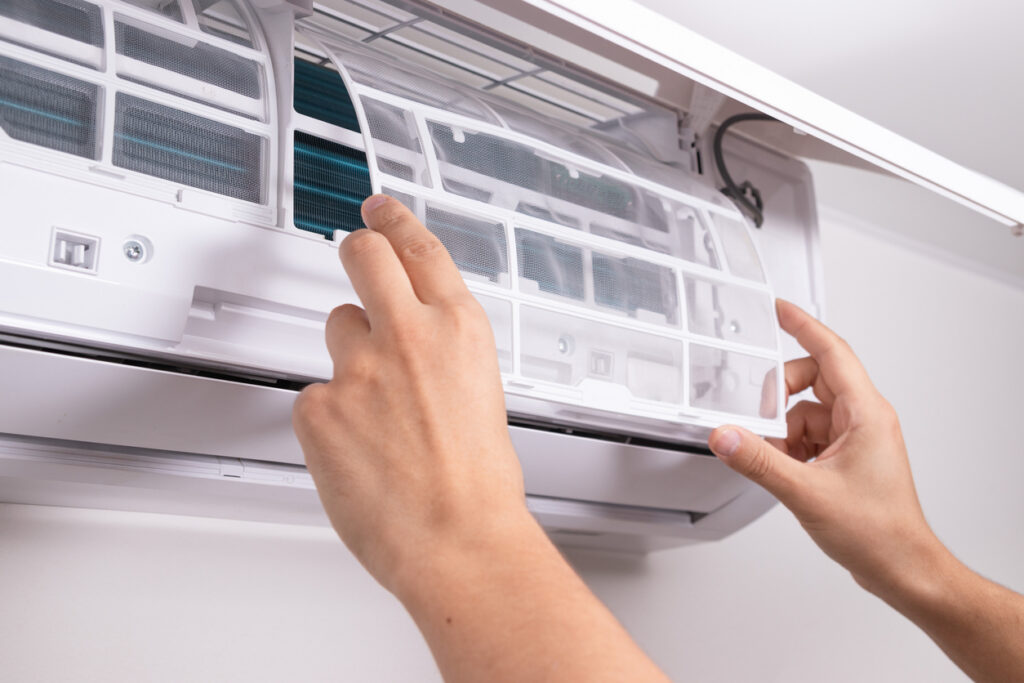
Remember: A working AC system in Georgia summer heat isn’t just a comfort issue. Extended cooling failures can create habitability concerns and push tenants toward early move-outs, so treat AC repairs as urgent, not routine.
Manage Humidity and Moisture Before Mold Does
Atlanta’s humid subtropical climate means moisture pressure on a property doesn’t let up, even between rain events.
- Check Crawl Spaces and Basements: These are usually the first place a moisture problem shows up. Look for condensation, musty odors, or standing water after heavy rain.
- Verify Bathroom and Kitchen Ventilation: Exhaust fans need to vent outside, not into the attic. Encourage tenants to run them during and after showers.
- Consider Dehumidification: For properties with a history of moisture issues, a crawl space vapor barrier or dehumidifier is usually far cheaper than remediation down the line.
- Watch for Early Mold Signs: Small discoloration around window frames, bathroom ceilings, or closet walls is worth addressing right away, before it spreads.
Remember: Mold remediation is expensive and disruptive to your rental income. In a climate like Georgia’s, moisture control is one of the highest-return maintenance investments an owner can make.
Prepare for Summer Storms
Georgia’s summer pattern includes frequent afternoon thunderstorms, and July is typically one of the wettest months of the year in the Atlanta area. Storm prep matters here.
- Inspect the Roof and Flashing: Look for lifted shingles, damaged flashing, and soft spots before storm season hits its stride. Small fixes now prevent interior water damage later.
- Clean Gutters and Downspouts: Clogged gutters push water toward the foundation instead of away from it, and Atlanta’s tree cover means gutters fill up fast.
- Trim Trees Near the Structure: Dead limbs and overhanging branches become hazards in strong thunderstorms. Document any trimming for your records.
- Review Your Insurance Coverage: Confirm your landlord policy covers wind and storm damage, and understand your deductibles before you ever need to file a claim.
Remember: Storm damage claims move faster when you have dated photos showing the property’s condition before the storm. Build a photo record into your seasonal routine.

Keep Landscaping and Curb Appeal in Check
Georgia’s growing season is aggressive in summer, and an overgrown yard signals a neglected property to tenants and neighbors alike.
- Clarify Lawn Care Responsibility: Your lease should state clearly who mows, waters, and maintains the yard. Ambiguity leads to overgrown lots and neighbor complaints.
- Address Pests Proactively: Heat and humidity bring mosquitoes, ants, and wasps. Eliminate standing water, seal exterior gaps, and schedule pest treatments as needed.
- Mind Irrigation and Water Use: If the property has an irrigation system, test it early in the season for leaks or broken heads that can quietly inflate water bills.
Remember: Curb appeal directly affects how fast a vacancy fills. Summer is peak leasing season across Metro Atlanta, and the exterior of the home is your listing photo.
Use Summer Turnover Season Strategically
Summer is the busiest moving season nationally, and Metro Atlanta is no exception, which makes it both an opportunity and a risk for rental owners.
- Plan Lease End Dates Deliberately: Where possible, structure leases to end in late spring or summer, when tenant demand is strongest, rather than in the slower winter months.
- Turn Units Fast: Every day a unit sits vacant during peak season is demand you can’t recapture. Line up cleaning, painting, and repair vendors ahead of the move-out date.
- Conduct a Mid-Lease Inspection: For tenants staying on, a summer inspection catches AC issues, moisture problems, and lease compliance concerns while they’re still manageable.
- Screen Carefully Even When Demand Is High: A fast application isn’t the same as a qualified one. Consistent screening standards protect you from costly placements, especially when demand tempts you to rush.
Remember: Peak season rewards owners who are organized ahead of time. The rent you capture in July and August is set by the preparation you do in May and June.

Protect Yourself with Documentation
Summer’s combination of maintenance, storms, and turnovers generates a lot of activity worth recording properly.
- Log Every Maintenance Request and Response: Dated records of tenant requests and your responses protect you in disputes and demonstrate good-faith management.
- Photograph Move-In and Move-Out Conditions: Summer turnovers move quickly, but skipping condition documentation is exactly how security deposit disputes start.
- Keep Receipts for Everything: HVAC service, storm repairs, and pest treatments are typically deductible expenses for rental owners. Talk to your tax professional about what applies to your situation.
It’s Easier With a Local Team on Your Side
There you have it. See? Summer property care in Georgia isn’t complicated, but it does take consistency, local knowledge, and time, which is exactly what many rental owners and out-of-state investors are short on.
Real Property Management Vitality handles seasonal maintenance coordination, tenant communication, inspections, and leasing for rental property owners across Johns Creek, Alpharetta, Brookhaven, and the greater Metro Atlanta area.
If you’d rather spend your summer growing your portfolio than chasing HVAC technicians, contact our team to learn how professional property management can protect your investment year-round.
Frequently Asked Questions About Summer Season Home Maintenance
What is summer maintenance?
Summer maintenance is the set of preventive tasks landlords complete before and during the hottest months to protect a property and avoid emergency repairs.
For Metro Atlanta rental owners, that means prioritizing HVAC servicing, moisture and mold prevention, storm readiness, and landscaping, since heat, humidity, and afternoon thunderstorms put the most pressure on a property during this season.
Which maintenance services do landlords need the most?
HVAC servicing is the most urgent need heading into summer, since cooling systems run constantly and failures are both common and costly to fix on short notice.
Roof and gutter inspection, pest control, and landscaping upkeep follow close behind, particularly in climates like Georgia’s where heat, humidity, and storms hit at the same time of year.
What are 5 items that regularly scheduled maintenance will check?
A solid seasonal maintenance visit typically checks the HVAC system’s refrigerant and filters, the roof and gutters for storm readiness, crawl spaces and vents for moisture buildup, the exterior for pest entry points, and irrigation or drainage systems for leaks.
Catching issues in each of these areas before summer’s peak keeps small problems from becoming expensive ones.
What should a maintenance schedule include?
A maintenance schedule should assign a specific season to each major task, HVAC service and roof inspections before summer, gutter cleaning and weatherproofing before fall and winter, so nothing gets missed between tenant turnovers.
It should also include who is responsible for each task, landlord or tenant, and how often recurring items like filter changes or pest treatments happen.
This content is provided for general informational and educational purposes only and does not constitute financial, legal, tax, or investment advice. Readers should consult with licensed professionals regarding their specific circumstances.
We are pledged to the letter and spirit of U.S. policy for the achievement of equal housing opportunity throughout the Nation. See Equal Housing Opportunity Statement for more information.
